Jamaican Food Favorites You Need on Your Plate
@ricardorpum834
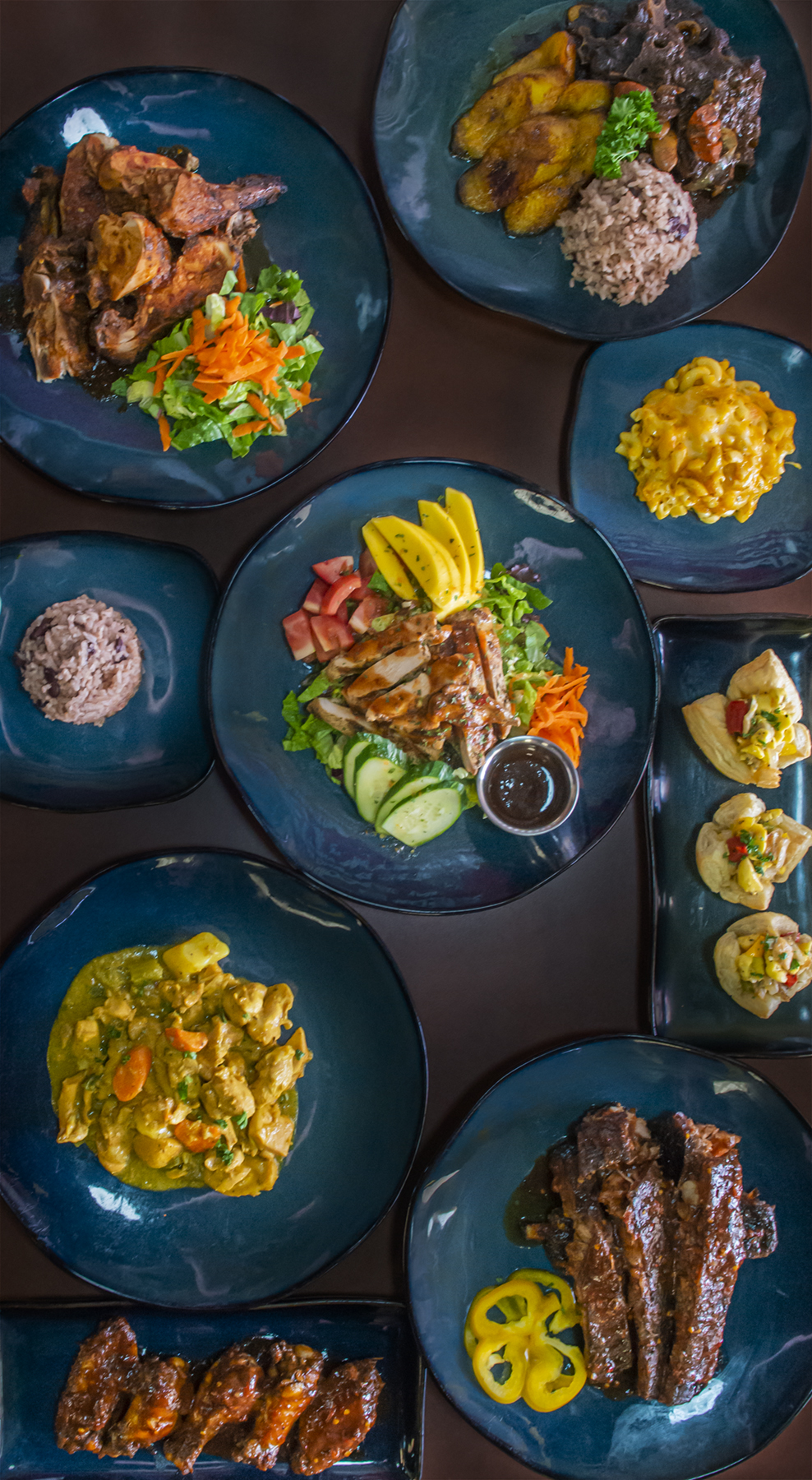
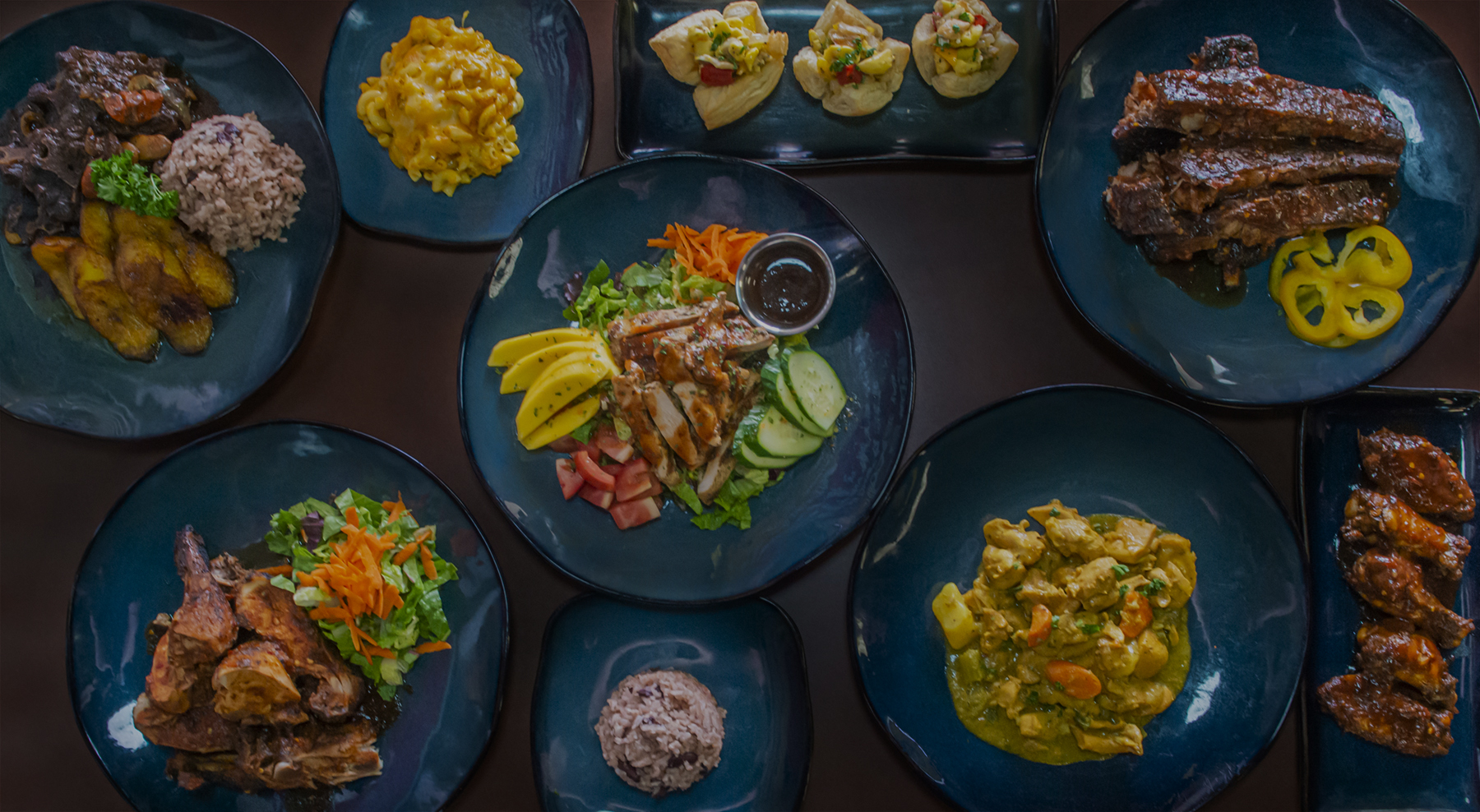
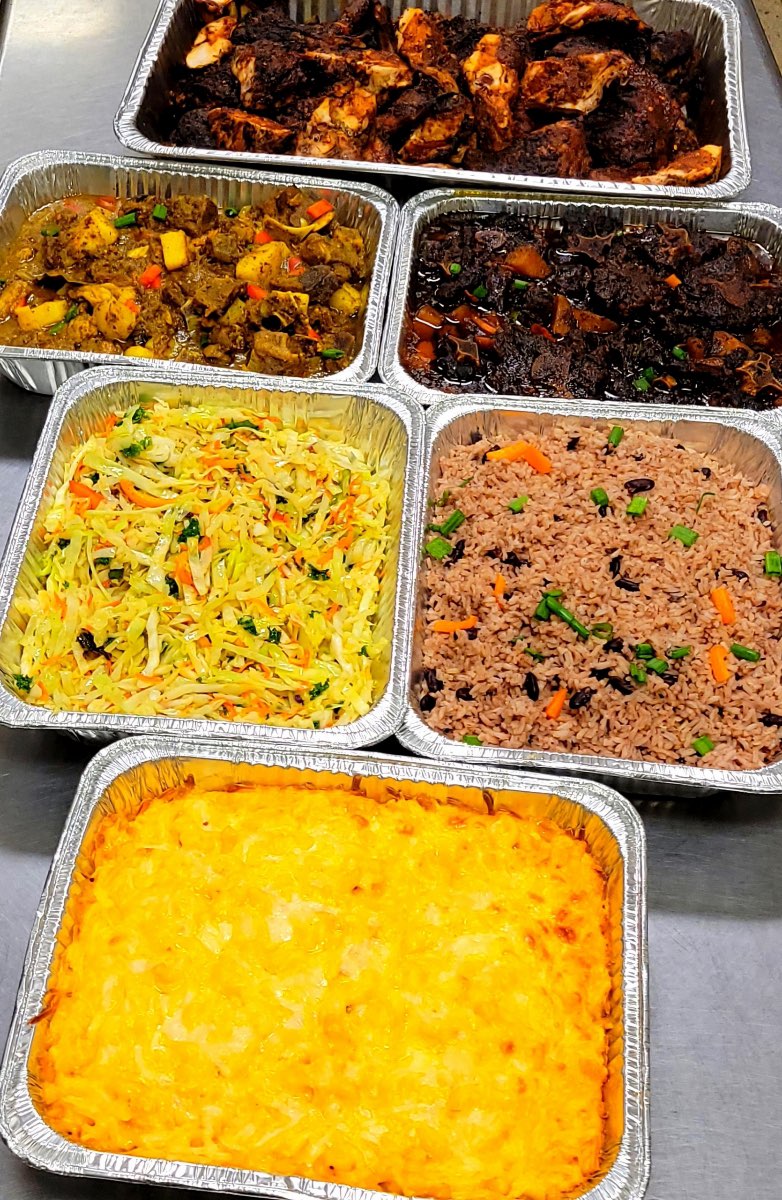
Jamaican food has a way of announcing itself before it reaches the table. You smell smoke, allspice, scallion, thyme, and Scotch bonnet in the air, and your appetite is already halfway gone before the first bite. It is bold food, but not careless food. The seasoning is assertive, the cooking is often slow and patient, and the best dishes carry a balance that people sometimes miss if they reduce the cuisine to heat alone.
That misunderstanding happens often. Many first-time diners expect every plate to be fiery, heavy, or built around one-note spice. In practice, the best Jamaican food is layered. Sweetness from browning or coconut milk sits beside savory depth from pimento and garlic. Acidity cuts through rich cuts of meat. Fresh herbs lift dishes that have simmered for hours. Even the hottest preparations should still taste like the ingredients, not punishment.
If you want a real feel for the cuisine, start with the dishes Jamaicans return to again and again, not just the ones tourists recognize. Some belong to breakfast tables, some to Sunday dinner, some to roadside jerk pans or bakery counters. Together, they tell the story of a food culture shaped by African, Indigenous, European, Indian, and Chinese influences, then made unmistakably Jamaican through local produce, technique, and taste.
The plate starts with seasoning
Before talking about specific dishes, it helps to understand why Jamaican cooking leaves such a strong impression. The backbone is seasoning, and seasoning in this context means far more than salt and pepper. Green seasoning often includes scallion, thyme, onion, garlic, ginger, and Scotch bonnet. Dry spices may include allspice, black pepper, curry powder, nutmeg, cinnamon, and cloves, depending on the dish. Browning gives stews a deep color and slight caramel note. Fresh lime or vinegar brings brightness when richness starts to dominate.
Then there is patience. A proper pot of curry goat is not rushed. Oxtail does not become tender through enthusiasm alone. Even simple rice and peas relies on timing, because the peas, coconut milk, aromatics, and rice must finish together rather than taste like separate components forced into one pot.
This is one reason Jamaican food travels well emotionally, but not always mechanically. A dish can be copied elsewhere, yet still miss something if the cook skimps on marination, uses timid seasoning, or serves meat before it yields properly. Technique matters as much as ingredients.
Jerk chicken, the icon that deserves the hype
If one dish has become shorthand for Jamaican food, it is jerk chicken. That popularity is deserved, though the version many people know is often a simplified cousin of the real thing. Good jerk should be smoky, spicy, herbal, and slightly sweet, with deep flavor pushed well beyond the surface. It is not just grilled chicken with hot sauce.
Traditional jerk cooking has roots in techniques developed by the Maroons, who seasoned and slow-cooked meat over pimento wood. That wood matters because it lends a fragrance that is hard to imitate. In restaurants outside Jamaica, cooks often approximate the flavor with allspice and smoke, sometimes very well, sometimes not. When it is done right, the skin has charred edges, the meat stays juicy, and the seasoning tastes soaked in rather than painted on.
The heat level can vary more than people expect. Scotch bonnet brings serious fire, but balanced jerk lets you taste thyme, scallion, garlic, ginger, and pimento too. The first bite should wake you up, not flatten your palate. If you have ever eaten jerk from a roadside stand where the smoke clings to your clothes long after the meal, you know how hard it is to accept a dry, oven-baked version afterward.
Jerk often arrives with festival, a slightly sweet fried dough, or with bammy, a cassava flatbread. That pairing is not an accident. The bread elements soften the heat and give the meal a fuller rhythm. Jerk by itself is excellent, but jerk with the right side becomes complete.
Ackee and saltfish, Jamaica on a breakfast plate
No conversation about Jamaican food is complete without ackee and saltfish, widely regarded as the national dish. For many outsiders, ackee is the surprise. Cooked properly, it looks a bit like scrambled eggs at a glance, but the texture is softer and more delicate, almost buttery. Saltfish, usually cod that has been preserved and then soaked, brings salinity and chew. Together, they create a dish that feels both hearty and restrained.
What makes ackee and saltfish memorable is its contrast. The ackee is mild and creamy. The fish is assertive. Onion, tomato, scallion, thyme, and Scotch bonnet pull the dish into balance. It is often served with fried dumplings, roasted breadfruit, boiled green banana, or yam, which turn it from a composed sauté into a breakfast that can carry someone deep into the day.
People who try it for the first time sometimes expect a dramatic punch and instead find something more subtle. That is part of its appeal. Ackee and saltfish rewards attention. The best versions are not greasy, not oversalted, and not mashed into a uniform scramble. The ackee should hold its shape gently, and the fish should be present in every bite without taking over the plate.
Curry goat, where spice meets patience
Few dishes showcase Jamaican judgment better than curry goat. This is not a throw-it-in-the-pot stew. It depends on marination, browning, careful spicing, and enough cooking time for the meat to soften while still retaining character. Done badly, it can be tough and muddy. Done well, it is one of the great dishes of the Caribbean.
Jamaican curry powder differs from some Indian blends in profile, though the influence is clear and important. You often get turmeric, coriander, cumin, fenugreek, and other warming spices, but the overall effect in Jamaican cooking tends to be earthier and more direct, especially when paired with thyme, scallion, Scotch bonnet, and all-purpose seasoning. Potato is a common addition, not as filler when used properly, but as a sponge for the sauce.
The texture matters as much as flavor. Goat should be tender enough to pull from the bone without effort, yet not so soft that it dissolves. The gravy should cling rather than run. With white rice or rice and peas, curry goat becomes the kind of dish that quiets a table for a few minutes. People stop talking because they are busy.
At celebrations, family gatherings, and Sunday meals, curry goat often earns prime-table status. It has that festive quality, a dish that says somebody cared enough to start early.
Oxtail, rich, glossy, and worth the wait
Oxtail can be divisive only until it is cooked correctly. Then the argument usually ends. Jamaican oxtail is deeply savory, often braised with broad beans, carrots, onion, garlic, thyme, and butter beans until the connective tissue breaks down and the sauce turns glossy. The result is rich, but the best versions avoid heaviness through careful seasoning and enough herbaceous lift.
There is a specific pleasure to eating oxtail that comes from the structure of the cut itself. You are not just eating meat. You are enjoying collagen, marrow-adjacent richness, and a sauce built from what the pot gives back over time. This is food that asks for a slow flame and rewards restraint.
Because oxtail is expensive in many places now, restaurant portions vary widely. Some cooks bulk out the dish with too much gravy or too many beans. A strong version gives you enough meat to justify the order and enough sauce to drape over rice, but not so much liquid that the plate turns soupy. That distinction may sound minor, yet it separates a comforting dish from a memorable one.
Escovitch fish and the power of contrast
Escovitch fish shows another side of Jamaican cuisine, one that relies on brightness and crunch rather than long simmering alone. Traditionally, a whole fish is fried until crisp, then topped with a sharp dressing or pickle of onions, carrots, bell peppers, and Scotch bonnet, often with vinegar in the mix. It is one of the clearest examples of how Jamaican cooks use acid to wake up rich food.
The contrast is the point. Crisp skin and tender flesh meet tangy vegetables with a little bite left in them. The fish tastes fuller because the topping cuts through the oil. A well-made escovitch is lively from first bite to last, especially when served fresh enough that the fish keeps some of its crackle under the dressing.
This is a dish where quality of frying matters. If the fish is greasy or the topping is dull, the whole plate loses its energy. But when the balance is right, escovitch can be one of the most refreshing items on a table full of heavier mains.
The side dishes are not side characters
Anyone who treats Jamaican sides as optional has missed the plot. Rice and peas, despite the name, is usually rice cooked with kidney beans or gungo peas, along with coconut milk, thyme, scallion, and often a Scotch bonnet left mostly intact to perfume the pot. The grains should be separate, not mushy. The coconut should be present, but not dessert-like. When cooked well, it is fragrant enough to eat alone and useful enough to support almost any main dish.
Festival plays a different role. Slightly sweet, crisp outside, and tender within, it is often the quiet hero beside jerk or fried fish. That touch of sweetness rounds out spicy or salty foods better than a neutral bread would.
Then there is bammy, made from cassava, which can be soaked and fried or steamed and then finished in the pan. Good bammy has substance. It is not trying to disappear under toppings. It holds its own, especially next to fish.
Fried plantain deserves mention too, though it is easy to underestimate. When it is properly ripened and caramelized at the edges, it adds sweetness without turning cloying. On a plate with spicy meat and savory rice, that sweetness functions almost like a condiment.
Jamaican patties, the snack that never stays a snack
Few foods are more useful than a Jamaican patty. It works as breakfast on the move, lunch at a bakery, an after-school bite, or a late-day rescue when you need something fast that still tastes like someone cared. The pastry should be flaky and sturdy enough to hold the filling, often colored golden with turmeric or curry. Inside, the classic filling is seasoned ground beef, but chicken, vegetable, shrimp, and spicy variations are common.
A good patty is about more than convenience. The filling should be moist, not wet. The seasoning should be vivid, not salty. The crust should shatter a little, not crumble into dust. In some places, the patty is tucked into coco bread, which turns a snack into a serious meal and makes perfect sense after the first bite.
The beauty of patties is that they communicate the larger logic of Jamaican food in a portable form. Spice, texture, practicality, pleasure. Nothing wasted, nothing timid.
Soups, breakfasts, and dishes that locals value deeply
Visitors often gravitate to jerk, curry, and patties first, which is understandable. But if you want a wider picture of Jamaican food, pay attention to the soups, porridge, and breakfast staples that locals grow up with. Cornmeal porridge, peanut porridge, or hominy corn porridge can be deeply comforting, especially in the morning. Saturday soup traditions, including red peas soup or chicken foot soup, reveal another aspect of the cuisine, one https://remingtonobnn512.currentvale.com/posts/how-jamaican-food-continues-to-inspire-food-lovers built around thrift, nourishment, and long-developed technique.
These dishes do not always photograph as dramatically as jerk chicken fresh off the grill, but they often tell you more about daily life. They show how Jamaican cooking stretches ingredients, values texture, and builds flavor from bones, provisions, coconut, herbs, and time. A bowl of soup with dumplings and ground provisions can say as much about the island as a famous street-food plate.
What to order if it is your first serious Jamaican meal
If you are standing at a menu and want a plate that gives you a broad view, build it around contrast. You want smoke, stew, starch, and something bright.
- Jerk chicken for smoke and spice
- Rice and peas for fragrance and comfort
- Fried plantain for sweetness
- Escovitch fish or slaw for acidity and crunch
- A patty on the side if you are sharing
That combination shows the cuisine’s range better than ordering three rich stews at once. It also helps you notice the supporting players, which are often the reason a meal feels complete rather than merely filling.
Heat, sweetness, and the question people ask most
People new to Jamaican food often ask the same thing first: how spicy is it, really? The honest answer is that it depends on the cook, the region, and the dish. Scotch bonnet is common and potent, but Jamaica’s food culture is not built on indiscriminate heat. It is built on flavor. Some dishes use pepper as a background note. Others push it forward. Many family recipes adjust heat according to who is eating, especially when children or older relatives are at the table.
There is also a balancing instinct throughout the cuisine. Sweet plantain offsets salty fish. Coconut milk softens assertive spice. Pickled vegetables cut through fried food. This sense of balance is one reason Jamaican food remains satisfying beyond the first thrilling bite. The palate gets stimulation and relief in turns.
Signs you are eating the real thing
You do not need to be a specialist to tell when Jamaican food is being handled with care. A few clues reveal a lot.
- The seasoning tastes integrated, not sprinkled on at the end
- The meat is tender without becoming mushy
- The rice is distinct and aromatic
- The heat supports flavor instead of masking it
- The sides clearly matter to the cook
Those details sound simple, but they are where many mediocre versions fail. Authenticity is a loaded word and often overused, yet care is easier to identify. You can taste when a cook understands the purpose of each component on the plate.
Why these dishes stay with people
The best Jamaican food lingers in memory because it engages more than hunger. It carries smoke from the grill, perfume from thyme and scallion, sweetness from ripe plantain, richness from slow-braised meat, and brightness from pepper and vinegar. It also carries context. These are dishes tied to home kitchens, roadside vendors, celebrations, working lunches, beachside fish shacks, and family arguments over whose curry is better.
What keeps people coming back is not novelty. It is conviction. Jamaican cooking knows what it wants to taste like. Even the gentler dishes have backbone. Even the most famous dishes still reward careful execution. That is rare in cuisines that become globally popular, because popularity often sands down the edges that made them distinctive in the first place.
If you are building your own list of essentials, start with jerk chicken, ackee and saltfish, curry goat, oxtail, escovitch fish, rice and peas, and patties. Then keep going. Try the soups. Order the breakfast plates. Pay attention to the breadfruit, dumplings, bammy, and festival. Jamaican food reveals itself fully when you stop treating the mains as the only event.
A memorable plate from Jamaica is never just one thing. It is smoke and tenderness, fire and sweetness, thrift and generosity, all in the same meal. That is why the favorites endure, and why once they are on your plate, they tend to become part of your cravings for good.
Reggae Pot Jamaican Grill
7562 S University Blvd C, Centennial, CO 80122
(303) 997-5623
FAQ About jamaican food
What is the best Jamaican food to try in Centennial?
The best choice depends on your preferences. Reggae Pot Jamaican Grill offers jerk chicken, curry goat, oxtail, and escovitch snapper, along with sides such as rice and peas and fried plantains. Ask the restaurant about current availability and spice levels before ordering.
Is Jamaican food very spicy in Centennial?
Heat varies by dish and preparation. Jerk dishes can be hot, while some stews and sides are milder. Tell the restaurant your preferred heat level and ask which options suit you.
What is typically on a Jamaican menu?
Common choices include jerk chicken, curries, oxtail, fish, patties, rice and peas, and plantains. Reggae Pot also lists ackee and saltfish and vegetable dishes. Menus and availability can change, so confirm your choices when ordering.